
🌼 Chamomile (Matricaria chamomilla): Benefits, Uses, Tea & Plant Guide

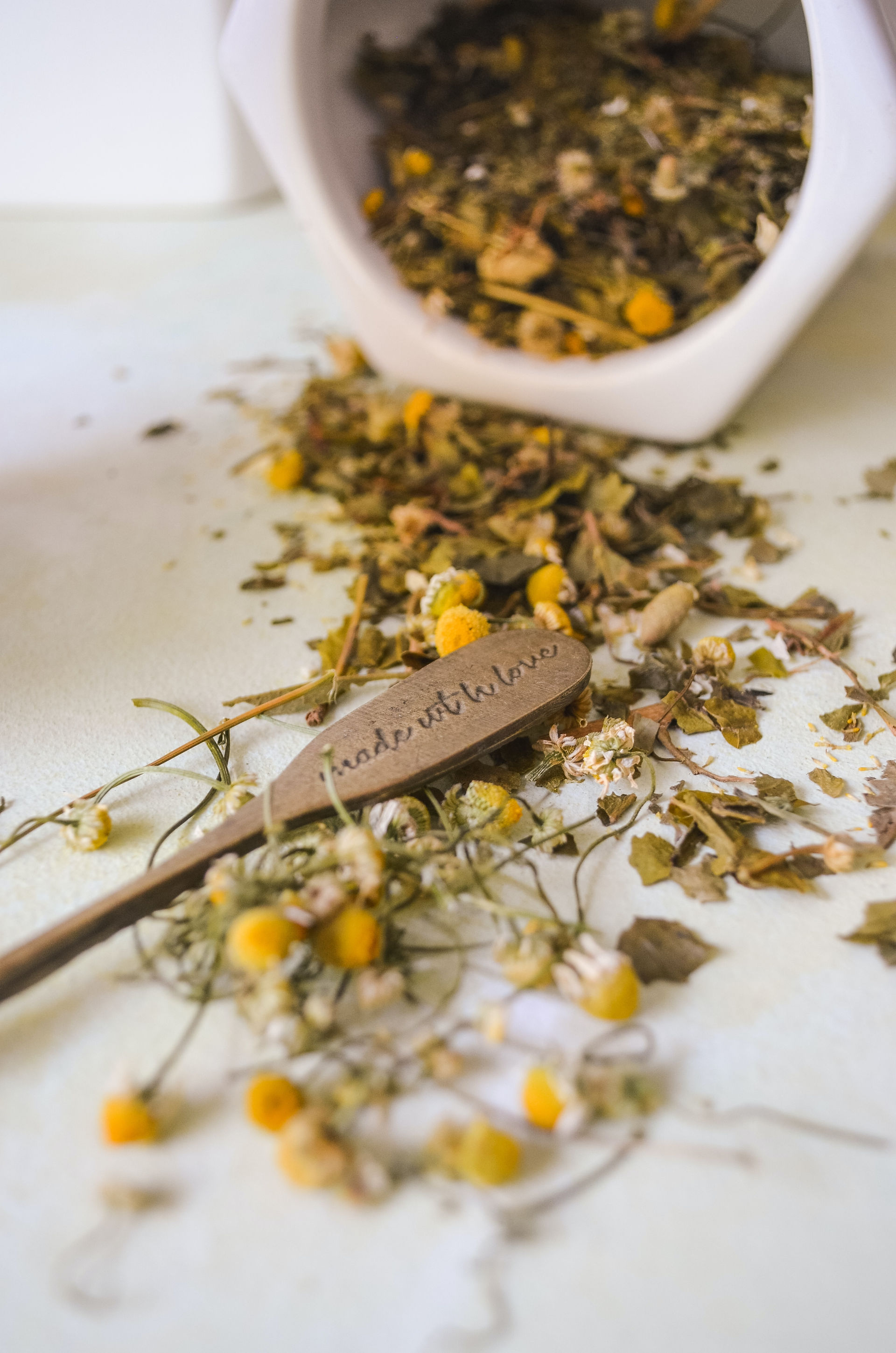

Chamomile (Matricaria chamomilla) is a flowering herb in the daisy family (Asteraceae), traditionally used in herbal teas, botanical preparations, and body care. It is widely known for its gentle calming properties, floral taste, and use in supporting relaxation and digestive comfort.
What is chamomile used for?Chamomile is used in herbal teas, body care, and botanical preparations to support relaxation, digestive ease, and skin comfort.
What are the benefits of chamomile?Chamomile is traditionally used to support calm, sleep quality, digestive balance, and gentle skin soothing.
How do you use chamomile?Chamomile can be prepared as a tea, infused into oils and creams, or used in aromatic and topical applications.
Botanical Profile
Plant Name (Latin name)Chamomile (Matricaria chamomilla)
Family:Asteraceae (daisy family)
Origin:Native to Europe and Western Asia, growing in open fields and temperate climates.
Primary Growing & Production Regions:
Germany – known for high-quality chamomile production
Egypt – large-scale cultivation for global supply
Eastern Europe – traditional growing regions
United States – small-scale cultivation
Species Notes:
Matricaria chamomilla (German chamomile) – most commonly used for tea
Chamaemelum nobile (Roman chamomile) – often used in oils and aromatics
Plant Parts Used:Flowers
Flavor Profile:Soft, floral, slightly sweet with apple-like notes
Aroma Profile
Light floral
Sweet and apple-like
Soft and calming
Benefits of Chamomile
Chamomile is traditionally used to support:
Relaxation and calm
Sleep quality
Digestive comfort
Skin soothing and gentle care
Chamomile is known for its gentle nature, making it one of the most widely used herbs in teas and botanical preparations.
Key Compounds:Apigenin, bisabolol
Functional Properties of Chamomile
Chamomile contains naturally occurring compounds that have been studied for their functional characteristics. These may include:
Compounds associated with calming (nervine-like) effects
Compounds studied for anti-inflammatory activity
Compounds studied for antimicrobial properties
Compounds associated with digestive support
Skin-soothing properties in topical applications
Common Forms of Chamomile
Dried flowers (tea)
Essential oil (aromatic use)
Infused oil (body care)
Fresh flowers
Whole Plant vs Extracted Forms
Whole plant (tea): gentle and traditionally consumed
Essential oil: concentrated and aromatic
Infused oil: used in skincare and body products
How to Use Chamomile
In Tea (Tisanes)
Chamomile is commonly used in:
Herbal Teas & Tisanes — https://www.wildflowersforest.com/blog/categories/herbal-teas-tisanes
It is often blended with:
Lemon Balm — https://www.wildflowersforest.com/post/lemon-balm
In Body Care
Chamomile is used in creams, oils, and body care products for its soothing and gentle properties.
In Aromatic Use
Chamomile is used in botanical perfumes and oils for its soft, calming scent.
In Blends
Pairs well with:
Lemon Balm — https://www.wildflowersforest.com/post/lemon-balm
Peppermint — https://www.wildflowersforest.com/post/peppermint
When to Use
Chamomile is commonly used in the evening, after meals, or during times of rest.
Chamomile Tea (Tisane Guide)
Flavor:Soft, floral, slightly sweet
Pairing Herbs:Lavender, Lemon Balm, Rose, Peppermint
How to Brew:
1–2 teaspoons dried chamomile flowers
Hot water
Steep 5–7 minutes
Chamomile in Botanical Perfumery
Chamomile provides a soft, sweet, herbal-floral note and is often used to add warmth and calmness to blends.
Historical & Traditional Use
Ancient Egypt: valued in ceremonial and botanical uses
Europe: widely used in herbal preparations
Traditional herbalism: used for calming and digestive support
Quality, Sourcing & What to Look For
Whole, intact flower heads
Golden-yellow centers with white petals
Sweet, apple-like aroma
Minimal dust or broken material
Comparisons & Clarifications
German vs Roman ChamomileGerman chamomile is commonly used for tea, while Roman chamomile is more often used in oils.
Fresh vs Dried ChamomileDried chamomile has a more concentrated flavor and longer shelf life.
Precautions (Modern Use Considerations)
Individuals allergic to plants in the daisy family should use caution
Start with small amounts if sensitive
Consult a professional if pregnant, nursing, or managing conditions
Patch test for topical use
FAQ
What does chamomile taste like?Chamomile has a soft, floral, slightly sweet taste with apple-like notes.
Can chamomile be used daily?Yes, chamomile is commonly used in daily herbal teas.
Is chamomile good for sleep?Chamomile is traditionally used in evening teas to support relaxation.
Related Herbs
Lemon Balm — https://www.wildflowersforest.com/post/lemon-balm
Peppermint — https://www.wildflowersforest.com/post/peppermint
Explore More
Herbal Teas & Tisanes — https://www.wildflowersforest.com/blog/categories/herbal-teas-tisanes
Medicinal Herbs & Plant Benefits — https://www.wildflowersforest.com/blog/categories/medicinal-herbs-plant-benefits
Ancient Herbal Traditions — https://www.wildflowersforest.com/blog/categories/ancient-herbal-traditions
Featured WildFlower Forest Products
Chamomile is used in select WildFlower Forest teas and botanical formulations for its calming and gentle nature.
Explore our full collection of herbal teas crafted with whole plants and botanical ingredients for calm, clarity, and daily enjoyment.
Herbal Teas — https://www.wildflowersforest.com/herbal-tea
Disclaimer
This content is for educational purposes only and is not intended as medical advice. These statements have not been evaluated by the Food and Drug Administration. This information is not intended to diagnose, treat, cure, or prevent any disease.
About WildFlower Forest
WildFlower Forest creates herbal teas (tisanes), botanical perfumes, and plant-based body care using whole herbs, flowers, and natural aromatic materials.

